

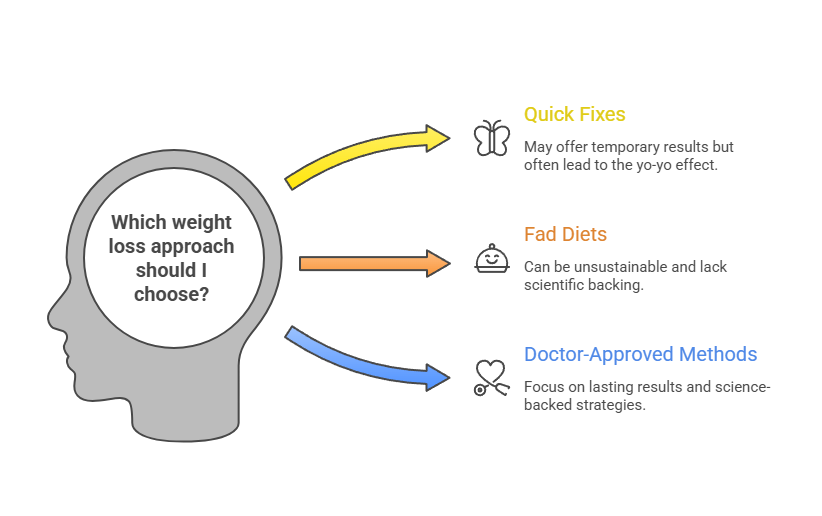
Thinking about shedding some pounds? You’ve probably heard all the usual advice, but what if there were secrets the pros use? This article dives into what makes top doctor weight loss methods different. We’re talking about strategies that go beyond quick fixes and fad diets, focusing instead on what really works for lasting results. If you’re tired of the yo-yo effect and ready for a change, stick around. We’ll explore why so many diets fall short and what doctors are doing differently to help people achieve their weight goals. It’s about smart, science-backed approaches that fit into real life.
Key Takeaways
- Many diets fail because they aren’t sustainable or don’t address individual needs. Top doctor weight loss approaches focus on personalized, science-based strategies.
- Sustainable weight loss comes from balanced nutrition, consistent exercise, and mindful habits—not from quick fixes or supplements.
- Finding a reputable top doctor weight loss program requires research into their methods, patient reviews, and overall approach to health and wellness.
Why Most Diets Fail and What Top Doctor Weight Loss Methods Do Differently
You know, it’s easy to get caught up in the latest diet trend. One week it’s all about cutting carbs, the next it’s intermittent fasting, and then suddenly, everyone’s drinking celery juice. The problem is, most of these approaches are designed for short-term fixes, not sustainable lifestyle changes. They often involve drastic restrictions that leave you feeling deprived and, frankly, miserable. This is precisely why so many people end up yo-yo dieting, losing weight only to gain it back, and sometimes even more.
Top doctor-led weight loss programs take a different path. They understand that weight management isn’t just about what you eat; it’s a complex interplay of factors including your metabolism, hormones, stress levels, sleep patterns, and even your environment. Instead of a one-size-fits-all plan, these methods focus on personalized strategies. They look at the whole you.
Here’s a peek at what sets them apart:
- Personalized Assessment: Doctors start by understanding your unique body, health history, and lifestyle. This isn’t about guessing; it’s about data. They might look at blood work, body composition, and even genetic factors.
- Focus on Nutrition Science: Forget fad diets. These programs are built on solid nutritional science. Think balanced macronutrients, high-quality protein at every meal, and complex carbohydrates that provide sustained energy, not sugar crashes.
- Behavioral and Mindset Coaching: Changing eating habits is tough. Doctors often incorporate strategies to help you manage cravings, eat mindfully, and develop a healthier relationship with food. It’s about retraining your brain, not just your stomach.
- Addressing Underlying Issues: Sometimes, weight gain is linked to other health problems, medications, or even poor sleep. A doctor will help identify and address these root causes, which is something a generic diet plan simply can’t do.
- Sustainable Habits, Not Quick Fixes: The goal is long-term health and weight maintenance. This means building habits you can stick with for life, rather than following a strict regimen that’s impossible to maintain.
Many diets fail because they treat the symptom (weight) rather than the cause. Top doctor programs dig deeper, looking at your individual biology and lifestyle to create a plan that actually works for you, not just a generic template.
Think about it: if a diet worked perfectly for everyone, we wouldn’t see so many people struggling. These doctor-led methods acknowledge that every body is different, and your weight loss plan should reflect that.
Top Doctor Weight Loss Secrets Most People Never Hear From Their GP
You know, it’s funny how often we go to the doctor for one thing and end up with a prescription that might just pack on the pounds. Many people are completely unaware that some common medications can lead to weight gain. It’s not always about what you’re eating or how much you’re moving; sometimes, it’s a side effect you were never warned about. This is a huge reason why doctor recommended weight loss plans often focus on a full health assessment, not just calorie counting.
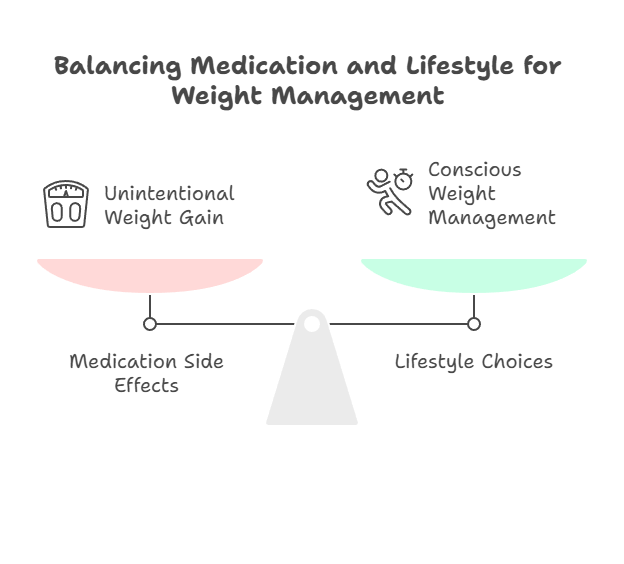
Think about it: a medication prescribed for allergies, depression, or even blood pressure might have weight gain as a potential, and sometimes significant, side effect. And if you’re on multiple medications? The combined effect can be even more pronounced. It’s a sneaky culprit that many GPs might overlook or not fully explain. They might be treating a condition, but inadvertently creating another problem.
Here are a few things your doctor might not be telling you about weight management:
- Medication Review is Key: Always ask your doctor if any of your current prescriptions could be contributing to weight gain. Sometimes, a simple adjustment or a different medication can make a world of difference. Don’t be afraid to bring this up.
- The “Magic Pill” Myth: There’s no single pill that will solve all your weight problems. While some medications can help with appetite suppression or metabolism, they are most effective when combined with lifestyle changes. Relying solely on a drug without addressing diet and exercise is a recipe for disappointment.
- Underlying Health Issues: Sometimes, weight gain is a symptom of an underlying health issue, like thyroid problems or hormonal imbalances. A top doctor will look at the whole picture, not just the number on the scale. They might suggest a comprehensive program that addresses these root causes.
- Focus on Real Food: Many successful weight loss strategies emphasize whole, unprocessed foods. This means cutting out the junk and focusing on nutrient-dense options that keep you full and satisfied. It’s about quality, not just quantity.
It’s easy to get caught up in the latest diet trends or quick fixes. But the truth is, sustainable weight loss is a marathon, not a sprint. It takes a full-spectrum approach, looking at your personal health, habits, and any medications you take. Don’t settle for generic advice when a more personalized plan could be the answer.
Many people find that a structured approach, like the one offered by certain weight loss programs, can provide the guidance and accountability needed to make lasting changes. It’s about understanding your body and working with it, not against it.
Is Top Doctor Weight Loss Worth the Cost? What Patients Say
So, you’re wondering if shelling out for a top doctor’s weight loss program is actually worth it, right? It’s a big question, and honestly, the price tag can seem pretty steep at first glance. But when you look at what people are saying, a different picture starts to emerge.
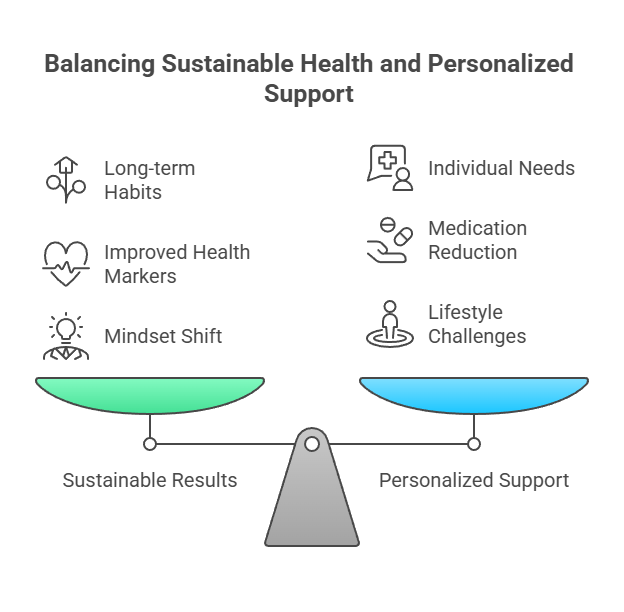
Many patients report that the investment pays off in ways they didn’t expect. It’s not just about shedding pounds; it’s about a complete shift in how they approach their health. Think about it: you’re not just getting a diet plan; you’re often getting personalized guidance, accountability, and a deeper understanding of your own body.
Here’s what some folks have experienced:
- Sustainable Results: Unlike quick fixes, these programs often focus on building long-term habits. People mention feeling like they’ve finally learned how to eat and live healthily, not just follow a temporary diet.
- Improved Health Markers: Beyond the scale, patients frequently see improvements in things like blood pressure, cholesterol, and energy levels. One patient, John, shared how following his doctor’s plan helped him get off several medications.
- Personalized Support: The one-on-one attention makes a huge difference. Doctors can address individual needs, medication side effects, and lifestyle challenges that generic plans just can’t.
- Mindset Shift: Many find that the program helps them change their relationship with food and exercise, moving away from deprivation and towards a more balanced, enjoyable lifestyle.
The journey isn’t always easy, and it definitely requires commitment. But the feeling of taking control of your health and seeing real, lasting changes? That’s what makes it worthwhile for so many.
Of course, not every program is a perfect fit for everyone. Some patients have mentioned that the strictness of certain plans can be challenging, especially with busy schedules. However, the consensus seems to be that when you find the right program and commit to it, the benefits go far beyond just weight loss. It’s about investing in your overall well-being, and for many, that’s priceless.
How to Find and Choose a Top Doctor Weight Loss Program Near You
Looking for a top doctor weight loss program can feel like a big task, but it’s totally doable. You want to find someone who really gets what you’re going through and has a solid plan. First off, think about what you’re looking for. Are you after a quick fix, or a sustainable lifestyle change? Most doctors will tell you the latter is the only way to go.
When you’re searching, don’t just pick the first name you see. Do a little digging. Your primary doctor can often refer you to a trusted weight loss specialist in your area. Online reviews can also be helpful, but take them with a grain of salt. Look for patterns in what people are saying. Are patients consistently happy with their progress and the support they receive? Checking out resources like RateMDs can give you a good starting point for finding doctors with positive feedback in your region.
Here are a few things to consider when choosing:
- Credentials and Experience: Verify that the doctor or clinic is trustworthy and has a history of successful outcomes. What kind of training do they have specifically in weight management?
- Personalized Approach: A good program won’t be one-size-fits-all. They should take your individual health history, lifestyle, and goals into account.
- Support System: Weight loss is tough. Does the program offer ongoing support, like regular check-ins, nutritional counseling, or even group sessions?
- Cost and Insurance: Be clear about all the fees involved upfront. Does your insurance cover any part of the program?
Weight loss matters, but the key is cultivating habits that support lasting health. A good program will focus on education and long-term success, not just a number on the scale.
Don’t be afraid to schedule consultations with a couple of different places before making your final decision. You want to feel comfortable and confident with the top rated weight loss clinic you choose. It’s your health, after all, and finding the right partner makes all the difference.
The Science Behind Top Doctor Weight Loss Programs That Actually Deliver Results
So, what’s really going on under the hood with these top doctor weight loss programs? It’s not just about telling you to eat less and move more, though that’s part of it. These programs often dig deeper, looking at your body’s unique chemistry and habits. They’re built on solid science, not just fads.
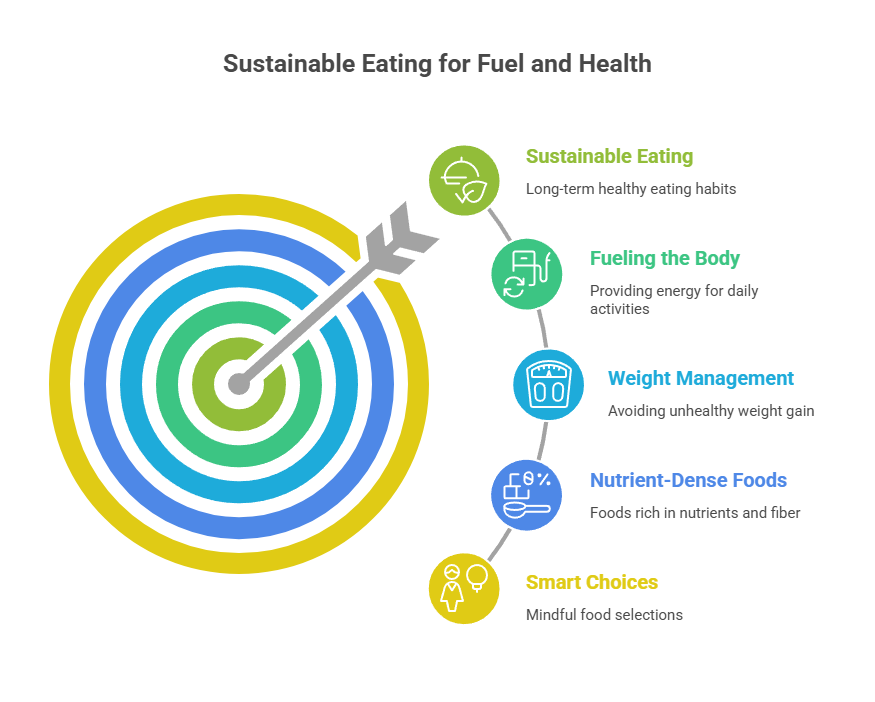
One big thing is understanding how your body processes food. It’s about finding a sustainable way to eat that fuels you without packing on the pounds. This often involves focusing on nutrient-dense foods that keep you feeling full longer. Think lean proteins, plenty of vegetables, and complex carbohydrates. It’s less about deprivation and more about smart choices.
Here’s a peek at some common scientific approaches:
- Metabolic Rate: Some programs focus on boosting your metabolism. Strength training increases muscle, helping your body burn extra calories throughout the day. Certain nutrients, like calcium, are also thought to play a role.
- Hormonal Balance: Your hormones play a huge role in hunger, satiety, and fat storage. Doctor-designed programs might look at how to help balance these hormones through diet and lifestyle changes.
- Mindful Eating: This isn’t just a buzzword. It’s about paying attention to how and why you eat. Taking time to savor meals and listen to your body’s fullness cues can make a significant difference. It helps you avoid overeating and can even help with emotional eating.
- Gut Health: Emerging research shows a link between the bacteria in your gut and your weight. Some doctor weight loss programs consider this, recommending foods that support a healthy gut microbiome.
Many people try quick fixes, but the science shows that long-term success comes from making consistent, healthy changes. It’s about building habits that stick, not just following a temporary diet.
It’s also important to know that not all weight loss pills or quick fixes are backed by science. In fact, some can be harmful. Doctor-supervised programs prioritize your health and safety above all else, using methods that are proven to work over time. They aim for real, lasting results, not just a temporary drop on the scale.
Curious about how doctors help people lose weight effectively? Our article, “The Science Behind Top Doctor Weight Loss Programs That Actually Deliver Results,” breaks down the proven methods. Discover the real science that makes these programs work. Ready to start your own success story? Learn more on our website and begin your path to improved health today.
So, What’s the Takeaway?
Look, losing weight isn’t some magic trick or a race to the bottom with crash diets. It’s really about making smart, consistent choices that work for your body. We’ve talked about eating real food, paying attention to what you’re actually eating, and moving your body regularly. It might not sound glamorous, but these are the things doctors agree on because they actually work long-term. Don’t fall for quick fixes or pills that promise the world but deliver headaches. Focus on building healthy habits, one day at a time. You’ve got this.
Frequently Asked Questions
What makes doctor-led weight loss different from regular diets?
Doctor-led weight loss focuses on understanding your body’s unique needs and uses science-backed methods. Unlike fad diets that often fail, these programs offer personalized plans that consider your overall health, not just quick fixes. They aim for lasting results by addressing the root causes of weight gain.
Are there any secret tips doctors use for weight loss?
Yes, doctors often share tips like keeping healthy snacks handy, like fruits and veggies, to avoid unhealthy choices. They also emphasize eating mindfully, chewing food slowly to help your brain realize you’re full, and avoiding sugary drinks. Small, consistent habits can make a noticeable difference.
Can I really trust doctor-recommended weight loss plans?
Many people find doctor-recommended plans very effective. Patients often report feeling more energetic and confident. These programs are usually based on solid research and offer a safe, healthy way to lose weight, often with the support of medical experts who guide you every step of the way.
If you have any other questions or if you are wondering if our weight loss programs at Waters Edge Medical Clinic are right for you, please contact us at 727-550-0855. We do offer a free weight loss consultation and body analysis.