
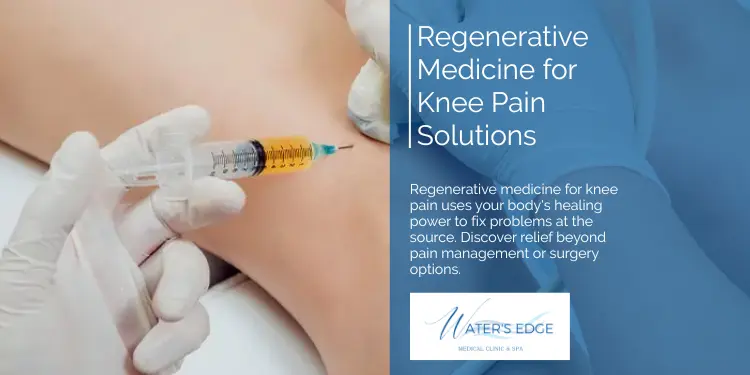
Knee discomfort can seriously hinder your movement, transforming everyday tasks into struggles. For a long time, options often meant pain management or surgery. But now, there’s a different path. Regenerative medicine for knee pain offers a way to tap into your body’s own healing power. This method targets the underlying cause of the issue instead of simply covering up the symptoms. Let’s explore what regenerative medicine for knee pain involves and how it might help you find relief.
Key Takeaways
- Regenerative medicine uses your body’s natural healing abilities to address knee pain, focusing on repair rather than just symptom relief.
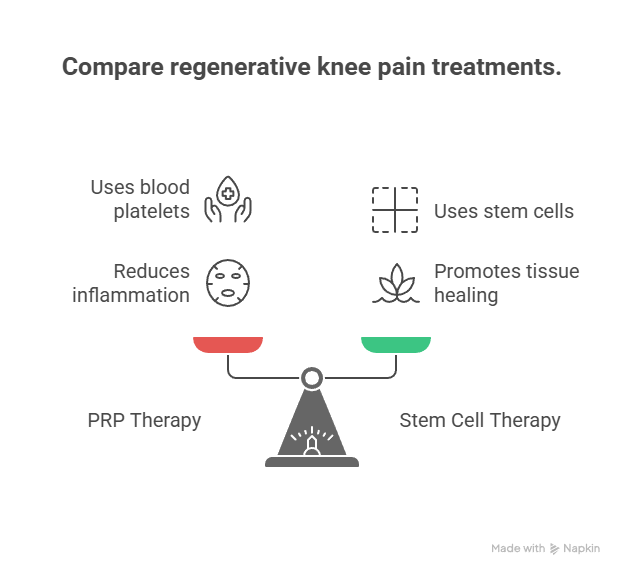
- Treatments like Platelet-Rich Plasma (PRP) and stem cell therapy are examples of regenerative medicine for knee pain, aiming to reduce inflammation and promote tissue healing.
- While the results are encouraging, the optimal regenerative medicine approach for knee pain differs for each person, so discussing possibilities with a medical provider is crucial.
What Is Regenerative Medicine for Knee Pain? Understanding Natural Knee Pain Solutions
Dealing with knee pain can completely derail your normal activities, making even simple movements like walking or stair climbing feel daunting. For a long time, people have looked for natural knee pain solutions that go beyond just masking the discomfort. This is where regenerative medicine comes into play. It’s a fascinating area of medicine that focuses on using your body’s own abilities to heal and repair damaged tissues, offering a different path for those seeking effective knee pain solutions.
Rather than simply managing symptoms, regenerative medicine targets the fundamental problems that are driving the pain. Think of it as encouraging your body to rebuild and restore itself. This treatment is attracting more attention due to its ability to boost joint function and ease pain without invasive procedures. It’s about working with your body’s natural processes to achieve healing.
Here are some key aspects of what regenerative medicine for knee pain involves:
- Harnessing the Body’s Healing Power: The core idea is to stimulate the body’s natural repair mechanisms. This often involves using components found within your own body.
- Focus on Tissue Repair: Unlike some traditional methods that might just reduce inflammation, regenerative therapies aim to actually help repair damaged cartilage, ligaments, or other soft tissues in the knee.
- Minimally Invasive Options: Many regenerative treatments are non-surgical, meaning they involve less downtime and fewer risks compared to traditional surgery. This makes them an attractive option for many individuals.
- Potential for Long-Term Relief: By targeting the underlying source of discomfort and stimulating tissue repair, these therapies offer the potential for long-lasting relief instead of short-term solutions.
Regenerative medicine represents a shift towards more proactive and restorative healthcare, moving away from solely managing chronic conditions to actively promoting healing and recovery. It’s about empowering the body’s inherent capacity to mend itself.
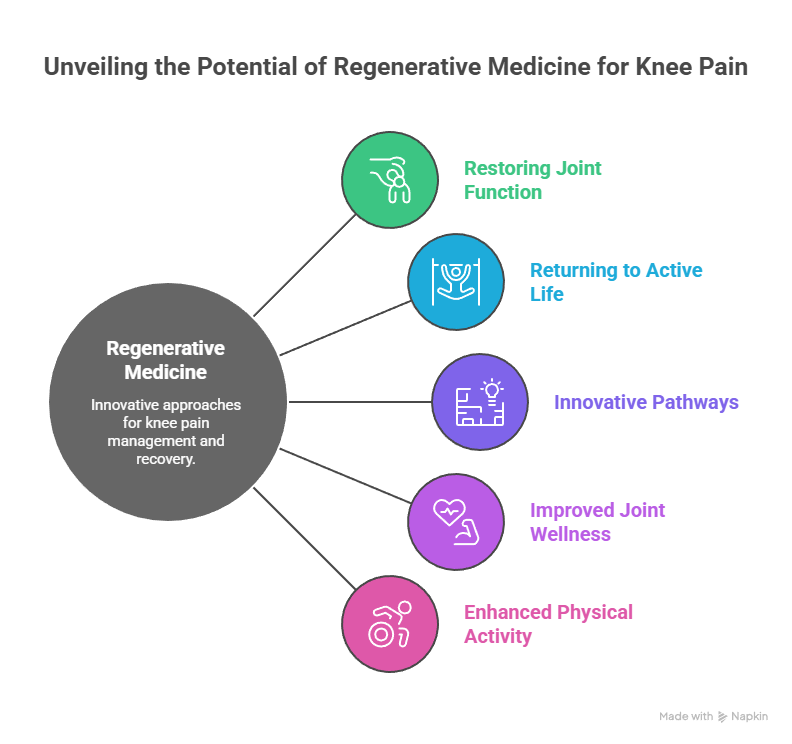
When evaluating treatments for knee pain, regenerative medicine may present fresh opportunities for restoring joint function and returning to an active life. Exploring regenerative medicine as a solution for knee discomfort can reveal innovative pathways to improved joint wellness and enhanced physical activity. It’s a field that continues to grow, offering hope for more effective and natural ways to manage knee issues. Learning about these approaches can help you make more informed decisions about your knee health.
How Does Regenerative Medicine Help Knee Pain? The Science Behind Healing
So, how exactly does regenerative medicine tackle knee pain? It’s all about tapping into your body’s own repair systems. Instead of just masking the pain, these treatments aim to fix what’s broken at a deeper level. Think of it like giving your knee a supercharged boost to heal itself.
The core idea is to encourage your body to regenerate damaged tissues, like cartilage and ligaments, which are often the source of knee discomfort. This is a big shift from traditional methods that might just manage symptoms. The science behind it involves using natural substances or cells to kickstart the healing process. It’s pretty fascinating stuff.
Here’s a breakdown of how it generally works:
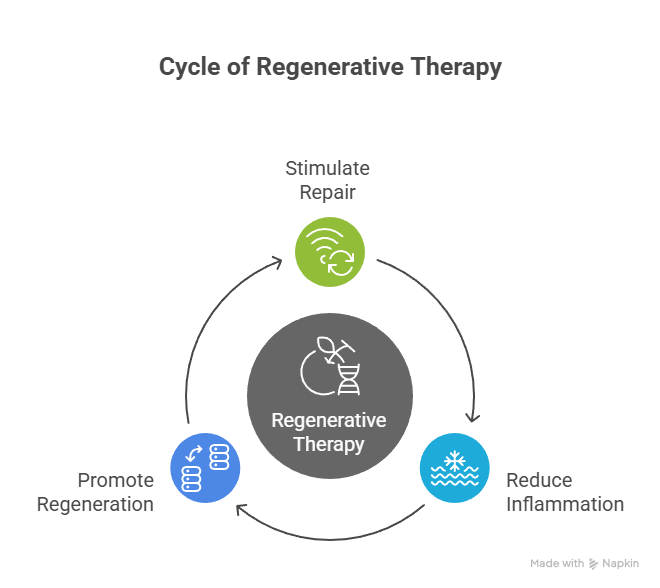
- Stimulating Natural Repair: Many regenerative therapies introduce components that signal your body to send healing cells to the injured area. These signals can ramp up the production of new tissue.
- Reducing Inflammation: Chronic inflammation often makes knee pain worse. Some regenerative treatments help calm down this inflammation, which can bring significant relief.
- Promoting Tissue Regeneration: The ultimate goal is to help your body rebuild damaged cartilage, tendons, or ligaments. This can restore function and reduce pain over time.
For instance, Platelet-Rich Plasma (PRP) therapy is a popular option. It involves taking a small amount of your own blood, concentrating the platelets (which are packed with growth factors), and injecting this back into your knee. These growth factors then act like messengers, telling your body to get to work repairing the damage. It’s a way to harness what’s already inside you for healing.
Regenerative medicine focuses on the body’s inherent ability to heal. By creating optimal conditions and delivering targeted biological cues, these therapies can facilitate tissue repair, diminish inflammation, and relieve knee pain, paving the way for restored mobility and enhanced quality of life.
Another approach involves stem cells. These special cells have the potential to turn into different types of tissue. When introduced to the knee, they can help rebuild cartilage or other structures that have worn down. It’s a bit like giving your knee a fresh set of building blocks. While research is ongoing, the potential for these therapies to help with conditions like osteoarthritis is significant. You can find more information on various regenerative treatments.
It’s not magic, but it is science that works with your body’s natural processes. The aim is to get you moving more comfortably again.
Types of Regenerative Medicine for Knee Pain: Non-Surgical Knee Pain Relief Options
When it comes to addressing knee pain without surgery, regenerative medicine offers a range of innovative approaches. These approaches seek to activate the body’s inherent repair mechanisms to heal injured tissues and decrease inflammation, offering a route to enduring relief. Instead of just masking symptoms, these treatments focus on the underlying issues causing discomfort.
Several key types of regenerative therapies are being used for knee pain treatment, offering distinct ways to stimulate healing:
- Platelet-Rich Plasma (PRP) Therapy: This procedure requires taking a small quantity of your blood, enriching it by concentrating the platelets, and subsequently injecting the platelet-rich solution into the affected knee area. Platelets contain growth factors that can signal the body to begin its repair processes. It’s a popular choice for its accessibility and potential to aid in tissue regeneration.
- Stem Cell Therapy: Using stem cells typically harvested from bone marrow or fat tissue, this treatment seeks to deliver cells capable of transforming into multiple tissue types, such as cartilage. These cells may also release substances that reduce inflammation and promote healing. The goal is to help rebuild damaged areas within the joint.
- Prolotherapy: This technique uses an injected solution, typically a mix of dextrose and a local anesthetic, to create a controlled, mild inflammatory response. This response is intended to stimulate the body’s natural healing mechanisms, leading to the production of new collagen and strengthening of damaged tissues.
- Autologous Conditioned Serum (ACS): Also known by brand names like Regenokine, ACS is created by processing your own blood to increase the concentration of anti-inflammatory proteins and growth factors. It works by blocking specific inflammatory signals that contribute to pain and joint damage. While it primarily offers symptom relief and may not regrow tissue, it’s considered safe and can be effective for managing inflammation.
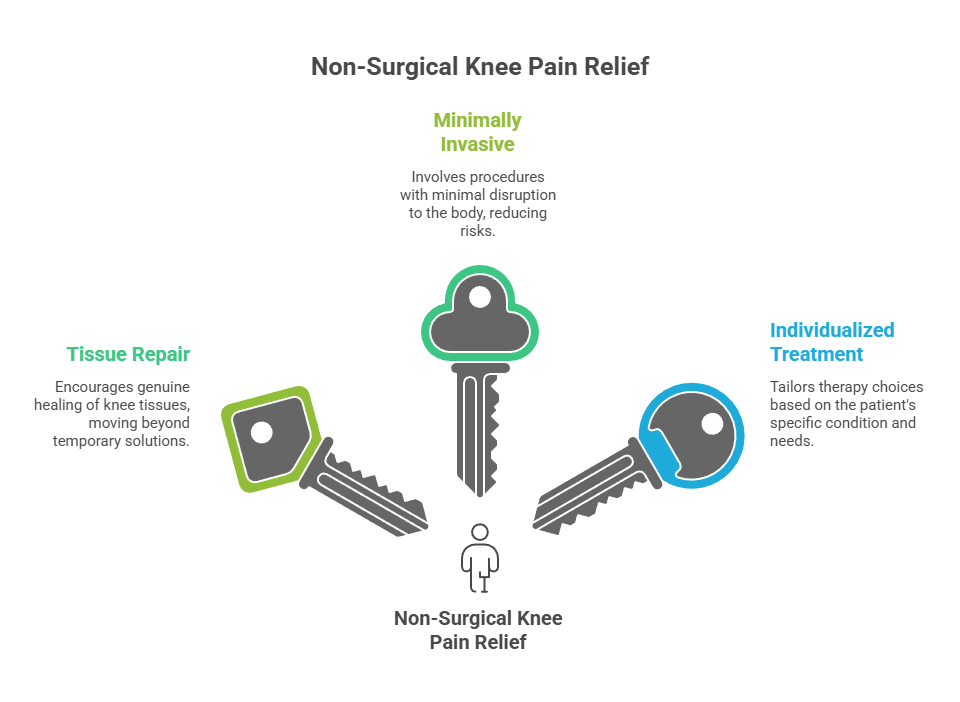
These options represent significant advancements in non-surgical knee pain relief, moving beyond temporary fixes to encourage genuine tissue repair.
They are generally considered minimally invasive and are associated with fewer risks compared to surgical procedures. The choice among these therapies often depends on the specific condition of the knee and individual patient factors.
Consulting with a healthcare professional about these options is essential to identify the best treatment strategy for your individual situation. For those seeking alternatives to surgery, exploring these regenerative options can be a significant step toward improving knee function and reducing pain.
Regenerative Medicine for Knee Pain Treatment: Benefits of Regenerative Medicine Knee Therapy
When you’re dealing with knee pain, the idea of getting back to normal activities without surgery sounds pretty good, right? That’s where regenerative medicine knee treatments come into play. These therapies aim to use your body’s own healing power to fix what’s hurting.
One of the biggest pluses is that these treatments are generally less invasive than surgery. Think about it: instead of a big operation, you might get an injection. This often means less downtime and a quicker return to your daily life. Additionally, because it utilizes your body’s own cells and tissues, the likelihood of rejection or adverse reactions is typically reduced. The focus is on activating your natural self-healing capacity.
Here are some key benefits:
- Reduced Pain and Inflammation: Many patients report a significant decrease in knee pain and swelling after treatment.
- Improved Joint Function: Regenerative therapies can help restore mobility and make it easier to move your knee.
- Stimulates Natural Healing: The treatments work by signaling your body to repair damaged tissues, like cartilage and ligaments.
- Potential to Delay or Avoid Surgery: For certain patients, these treatments can offer sufficient relief to delay or completely avoid the necessity of surgery.
The focus is on correcting the core problem causing discomfort rather than just suppressing the symptoms. This strategy offers a viable solution for those exploring non-invasive, natural remedies for knee pain.
Regenerative medicine focuses on harnessing the body’s inherent ability to heal. By using components like platelets or stem cells, these treatments aim to rebuild damaged tissues and reduce inflammation, offering a path toward recovery that feels more natural and less disruptive than traditional surgery. It’s a way to help your body help itself get better.
Research is ongoing, but studies suggest that treatments like platelet-rich plasma (PRP) and stem cell injections can be effective for various knee conditions. For example, PRP therapy utilizes enriched platelets extracted from your blood to stimulate tissue repair, whereas stem cell therapy employs cells capable of transforming into various tissue forms. These options are becoming increasingly popular for managing knee issues and improving overall joint health. You can find more information on regenerative medicine and its applications.
Is Regenerative Medicine for Knee Pain Right for You? Choosing the Best Knee Pain Solutions
Deciding if regenerative medicine is the right path for your knee pain involves looking at a few things. While it’s not universally effective for everyone, it provides many patients with a method to target the underlying issue instead of merely suppressing symptoms. Think about what you’ve tried before. Have traditional methods like pain relievers, physical therapy, or even steroid injections only provided temporary relief? If so, regenerative options might be worth exploring. These treatments aim to help your body heal itself, potentially leading to longer-lasting results.
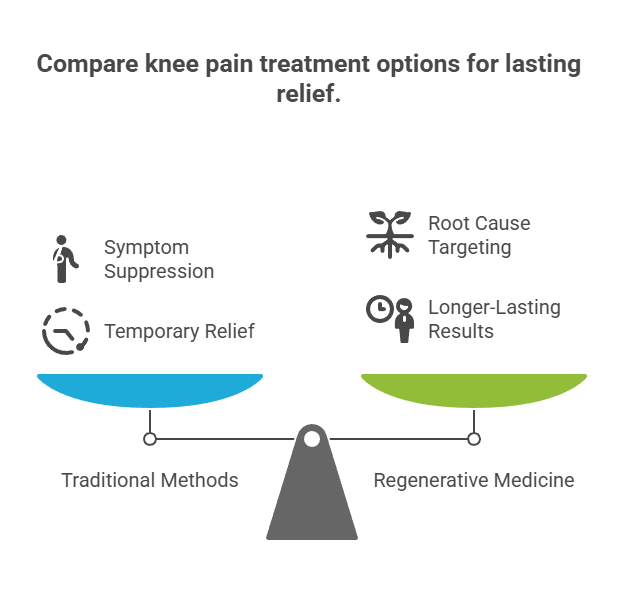
The key is to find a treatment that aligns with your specific condition and goals.
Here’s a breakdown of factors to consider:
- Severity of Knee Pain: For mild to moderate knee issues, regenerative therapies can be quite effective. They are often considered before more invasive procedures.
- Previous Treatments: If you’ve exhausted other options without success, regenerative medicine presents a promising alternative.
- Desire for Non-Surgical Options: Regenerative medicine is generally a minimally invasive approach, avoiding the risks and recovery time associated with surgery.
- Overall Health: Your general health status plays a role. A doctor will assess if you’re a good candidate for these types of treatments.
It’s important to have a thorough discussion with a healthcare professional experienced in regenerative medicine. They can explain the different types of treatments available, such as platelet-rich plasma (PRP) or stem cell therapy, and help you understand the potential outcomes. They’ll also discuss the expected recovery process and any potential risks, though these are generally lower than with surgery.
Selecting the most appropriate knee pain treatment demands thoughtful evaluation of your personal situation and a thorough grasp of what each therapy involves. Regenerative medicine offers a compelling alternative for those seeking to promote natural healing and improve joint function.
When considering your options, remember that research continues to advance the field, offering new possibilities for knee pain management. Exploring resources on regenerative knee treatments can provide further insight into the science and applications of these innovative therapies.
Wondering if regenerative medicine is the right path for your knee pain? It’s a big decision, and finding the best solution for you is key. We can help you explore your options and figure out what works best for your knees. Ready to take the next step towards less pain and more movement? Visit our website today to learn more and schedule your free consultation!
Looking Ahead with Regenerative Medicine
So, it looks like regenerative medicine is really changing the game for knee pain. Instead of just masking the problem, these treatments aim to help your body fix itself. We’ve seen how things like PRP and stem cell therapy can offer real relief and maybe even help repair damaged tissue, which is pretty amazing.
While it’s not a magic bullet for everyone, especially for really severe cases, the research is promising. It’s definitely something to talk about with your doctor if you’re dealing with knee pain and want to explore options beyond traditional methods. The future of healing knees seems to be leaning towards these natural, body-powered approaches.
Frequently Asked Questions

What exactly is regenerative medicine for knee pain?
Regenerative medicine is like giving your body a super-boost to heal itself. Instead of just covering up knee pain, it uses natural parts of your body, like special cells and proteins, to fix the damage causing the pain. Think of it as helping your knee regrow and repair itself, rather than just managing the ache.
How do treatments like PRP and stem cells help my knee feel better?
Methods such as Platelet-Rich Plasma therapy and stem cell injections work by employing concentrated repair factors sourced directly from your own tissues. PRP comes from your blood and has tiny parts called platelets that release special proteins to help repair tissues. Stem cells function as versatile building blocks that can transform into various cell types required for tissue repair. When put into your knee, they encourage the area to heal and reduce swelling and pain.
Is regenerative medicine a good option if my knee pain isn’t too severe?
Yes, regenerative medicine can be a great choice for mild to moderate knee pain. Studies show it works well for people with less severe knee issues, like early stages of arthritis. It’s a way to potentially fix the problem at its source and avoid more serious treatments down the road, helping you get back to doing the things you enjoy.
If you’d like to learn more or discover whether regenerative medicine is a good fit for you, call Waters Edge Medical Clinic at 727-550-0855 to schedule your free consultation and evaluation.