
As 2026 unfolds, more people are looking into regenerative injection therapy for pain relief without surgery. It’s seen as a natural way to help the body heal. This guide is here to break down the regenerative injection therapy cost, looking at what makes up the price and what you can expect. We’ll cover different treatment options and how insurance might play a role, helping you figure out if the regenerative injection therapy cost is the right choice for you.
Key Takeaways
- The regenerative injection therapy cost in 2026 is influenced by several factors, including the type of cells used, the number of treatments needed, and the clinic’s location and reputation.
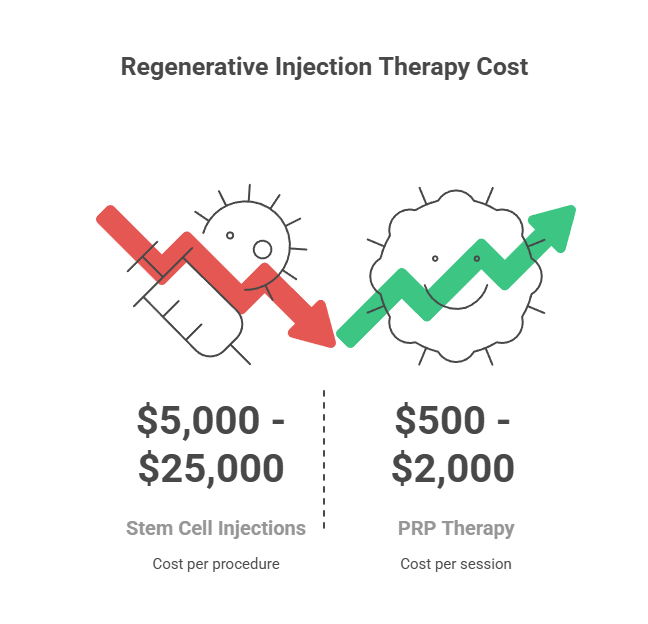
- Stem cell injections can range significantly in price, from under $5,000 for simpler procedures to over $25,000 for more complex ones, often paid out-of-pocket.
- Platelet-Rich Plasma (PRP) therapy is a more affordable regenerative option, typically costing between $500 and $2,000 per session.
- Insurance coverage for regenerative injection therapy is limited, as many treatments are still considered experimental and not standard care.
- Although the initial cost of regenerative injection therapy may be substantial, many patients view the lasting benefits of reduced pain and enhanced mobility as a valuable investment in their health.
Understanding Regenerative Injection Therapy Cost: What Influences Pricing in 2026?
Thinking about regenerative injection therapy? It’s a bit like trying to figure out the price of a custom-built car – there isn’t one simple answer. Several things bump the price up or down, and understanding these factors is key before you even start looking for a clinic.
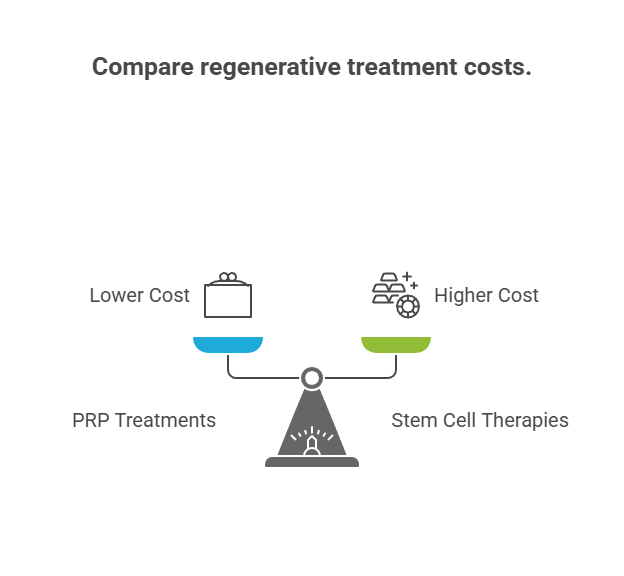
First off, the type of regenerative treatment you’re considering makes a big difference. Are we talking about platelet-rich plasma (PRP) injections, or something more complex like stem cell therapy? PRP treatments, for instance, often fall in the range of $500 to $2,000 per session, depending on where you go and what condition is being treated. Stem cell therapies, on the other hand, can be significantly more expensive, sometimes starting at $5,000 and going up to $25,000 or even more for complex cases.
Here’s a quick look at some common factors:
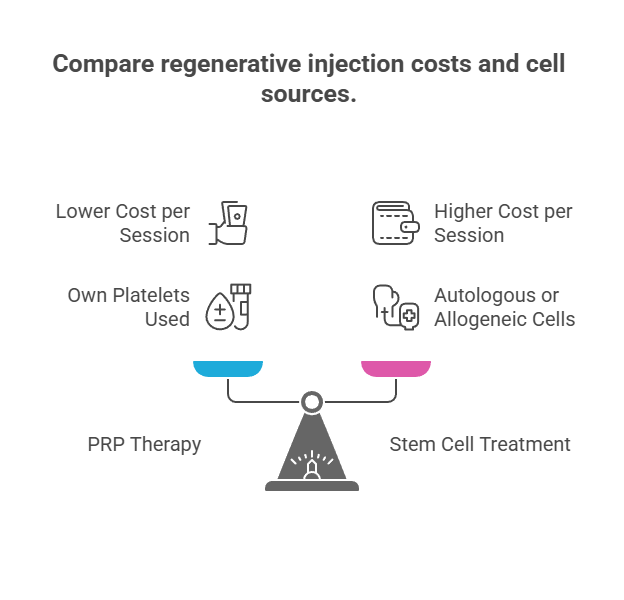
- Source of Cells: For stem cell treatments, whether the cells come from your own body (autologous) or a donor (allogeneic) impacts the cost. Autologous treatments usually cost more because they require an extra procedure to harvest the cells.
- Number of Treatments: Some conditions might need just one injection, while others require a series of treatments over time. More sessions naturally mean a higher total cost.
- Clinic and Physician Fees: The reputation, experience, and overhead of the clinic and the specific doctor performing the procedure play a role. Highly specialized clinics or very experienced physicians might charge more.
- Technology and Lab Work: The specific techniques and laboratory processes involved in preparing the regenerative materials can also influence the final price.
- Geographic Location: Just like with many other services, prices can vary quite a bit depending on the city or region where the treatment is administered.
It’s important to remember that most regenerative injection therapies are not covered by standard medical insurance. This means patients typically pay out-of-pocket, making the upfront cost a significant consideration for many. Certain clinics provide payment plans or financing arrangements that allow you to distribute the expense across multiple months.
When you’re comparing options, think about what you’re getting for your money. A higher price doesn’t always mean better results, but understanding the components that make up the cost will help you make a more informed decision about your treatment journey. For example, advanced treatments like Morpheus8, which uses microneedling and radiofrequency, have their own pricing structures based on the technology involved.
Regenerative Injection Therapy Cost Breakdown: Comparing Treatment Options and Prices
When looking at the cost of regenerative injection therapy, it’s important to understand that prices can vary quite a bit. This isn’t a one-size-fits-all situation. Several factors influence the final regenerative therapy price, and knowing these can help you budget better.
One of the biggest differentiators in regenerative injection cost guide discussions is the type of regenerative treatment itself. For instance, stem cell injections often come with a higher price tag compared to other options like Platelet-Rich Plasma (PRP) therapy. PRP involves concentrating your own platelets to promote healing and typically costs less, often ranging from $500 to $2,000 per session.
Stem cell treatments, especially those using autologous (your own) cells, can be significantly more expensive, sometimes between $8,000 and $15,000 per session, due to the extraction and processing involved. Allogeneic (donor) stem cells might be a bit more affordable, usually falling between $5,000 and $10,000 per session.
Here’s a general look at how different treatments stack up:
- Platelet-Rich Plasma (PRP) Therapy: Generally the most affordable option, good for soft tissue injuries.
- Exosome Therapy: Often falls in the mid-range, utilizing signaling molecules for regeneration.
- Stem Cell Therapy (Allogeneic): Donor-derived cells, typically more accessible than autologous.
- Stem Cell Therapy (Autologous): Using your own cells, often the most costly due to extraction.
Beyond the core treatment, the number of sessions needed also impacts the total regenerative treatment pricing. This is usually determined by the severity of the condition being treated. A minor issue might resolve with one injection, while a more complex or chronic problem could require multiple treatments over several months. Some clinics might also offer package deals for multiple sessions, which could reduce the per-injection cost.
The source of the cells and the complexity of the procedure are major drivers of cost. Treatments requiring laboratory processing or extraction from your own body will naturally incur higher expenses than those using readily available materials.
Other factors can include the specific clinic, the experience of the practitioner, and whether additional services like physical therapy or specialized imaging are bundled into the treatment plan. Some clinics might also use advanced technologies or proprietary methods, which can influence the overall regenerative injection cost guide.
For those considering treatments abroad, prices can be significantly lower, but it’s vital to research clinic credentials and safety standards carefully. For example, facial rejuvenation treatments, while different, also have varied costs based on the specific procedure and provider facial rejuvenation offers various non-surgical treatments to achieve a more youthful appearance.
It’s always best to get a detailed quote from any clinic you are considering. This quote should clearly outline all costs associated with the treatment, including any follow-up appointments or necessary supplies.
Stem Cell Injection Cost vs. Other Regenerative Injection Therapy Cost Factors
When looking at the price tag for regenerative treatments, the stem cell injection cost often stands out. It’s not uncommon for these procedures to be on the higher end compared to other regenerative options. This difference in pricing isn’t arbitrary; it’s influenced by several key factors that set stem cell therapies apart.
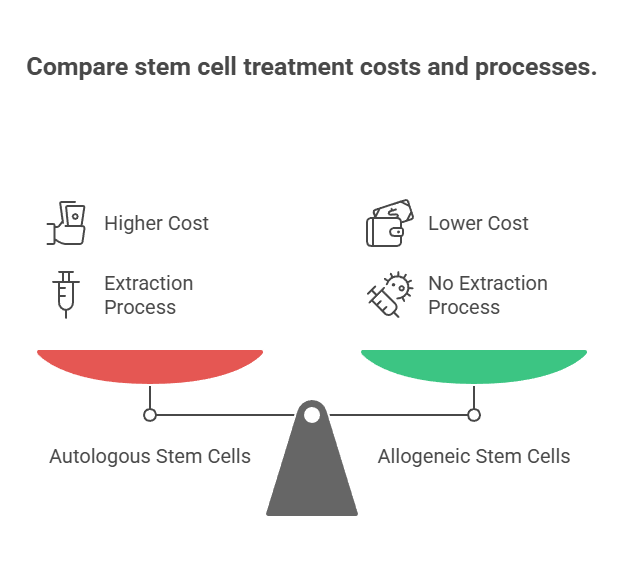
One major differentiator is the source of the stem cells. Treatments using your own cells (autologous) typically cost more because they involve an extraction process, like bone marrow aspiration or fat tissue collection. This adds a separate step and associated lab work. On the other hand, treatments using donor cells (allogeneic) can sometimes be more affordable as they bypass the patient extraction phase. For example, autologous treatments might range from $8,000 to $15,000 per session, while allogeneic could be between $5,000 and $10,000.
Here’s a general comparison:
- Autologous Stem Cell Therapy: Involves extracting cells from the patient’s body, processing them, and re-injecting. This often leads to higher costs.
- Allogeneic Stem Cell Therapy: Utilizes cells sourced from a donor, which can simplify the procedure and possibly reduce overall costs.
- Platelet-Rich Plasma (PRP) Therapy: While also a regenerative treatment, PRP generally costs less, often ranging from $500 to $2,000 per session. It can be used alone or alongside stem cell treatments.
The number of injections needed also significantly impacts the total cost. More severe conditions might require multiple sessions to achieve the desired results, naturally increasing the overall expense. Some clinics might also offer add-on procedures or combine therapies, like PRP or physical therapy, which will add to the final bill.
Several variables affect the total cost, including the procedure’s complexity, the nature of the condition being managed, and the cutting-edge equipment required. Research and development for these cutting-edge treatments also contribute to their pricing.
It’s important to remember that most insurance plans do not cover these types of therapies, as they are often considered experimental. This means patients are typically responsible for the full out-of-pocket costs. However, many clinics do provide financing options or payment plans to help manage the expense.
Complete Regenerative Injection Cost Guide: Insurance Coverage and Payment Options
When looking into regenerative injection therapies, understanding how payment works is a big part of the picture. For many people, the first question is about insurance. Unfortunately, these treatments are typically not covered by most standard insurance plans. They are often seen as experimental or not yet standard medical practice by insurance companies. This means you’ll likely be paying out-of-pocket.
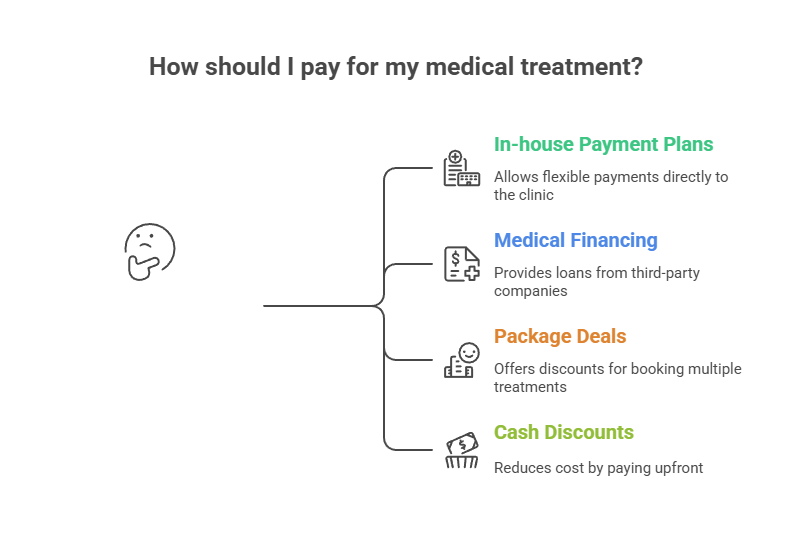
Because insurance coverage is limited, clinics often provide other ways to manage the costs. Many partner with medical financing companies, which can offer loans specifically for medical procedures. You might also find clinics that offer their own payment plans or installment options. These can spread the cost over several months, making it more manageable.
Here are some common payment approaches you might encounter:
- In-house Payment Plans: Some clinics let you pay in installments directly to them.
- Medical Financing: Third-party companies offer loans for medical treatments.
- Package Deals: Clinics may offer discounts if you book multiple treatments at once.
- Cash Discounts: Paying in full upfront might sometimes come with a small discount.
It’s also worth noting that the type of regenerative therapy can affect the price, and therefore, how you pay for it. For instance, treatments using your own cells (autologous) tend to cost more than those using donor cells (allogeneic) because of the extra steps involved in collecting and preparing your cells. Add-on procedures, like combining stem cell therapy with platelet-rich plasma (PRP), can also increase the total cost.
The financial aspect of regenerative medicine is still evolving. While insurance coverage is rare now, partnerships and research may lead to broader acceptance and coverage in the future. For now, exploring financing and payment options directly with the clinic is the most common route.
When you consult with a clinic, be sure to ask detailed questions about their payment policies, financing partners, and any potential discounts. Understanding your full range of options beforehand allows you to make a well-informed choice about whether to move forward with treatment.
Is Regenerative Injection Therapy Cost Worth It? Evaluating Regenerative Treatment Pricing and Value
Deciding if regenerative injection therapy is the right choice often comes down to weighing the costs against the potential benefits. It’s not a simple price tag; the value you get depends on your specific condition and what you hope to achieve. For many, the goal is to find relief from chronic pain or to address injuries that haven’t responded to traditional treatments. When you look at the price, remember that it’s not just about the injection itself. The cost can include the initial consultation, diagnostic tests, the procedure, and sometimes follow-up care or physical therapy.
The long-term potential for reduced pain and improved function can make the initial investment worthwhile for many individuals. Think about the ongoing costs associated with chronic pain – medications, doctor visits, lost workdays, and a reduced quality of life. Regenerative treatments focus on targeting the underlying issue, which may provide a more durable and long-term resolution. For instance, treatments for conditions like knee osteoarthritis or rotator cuff tendonitis might offer a way to avoid more invasive surgeries down the line.
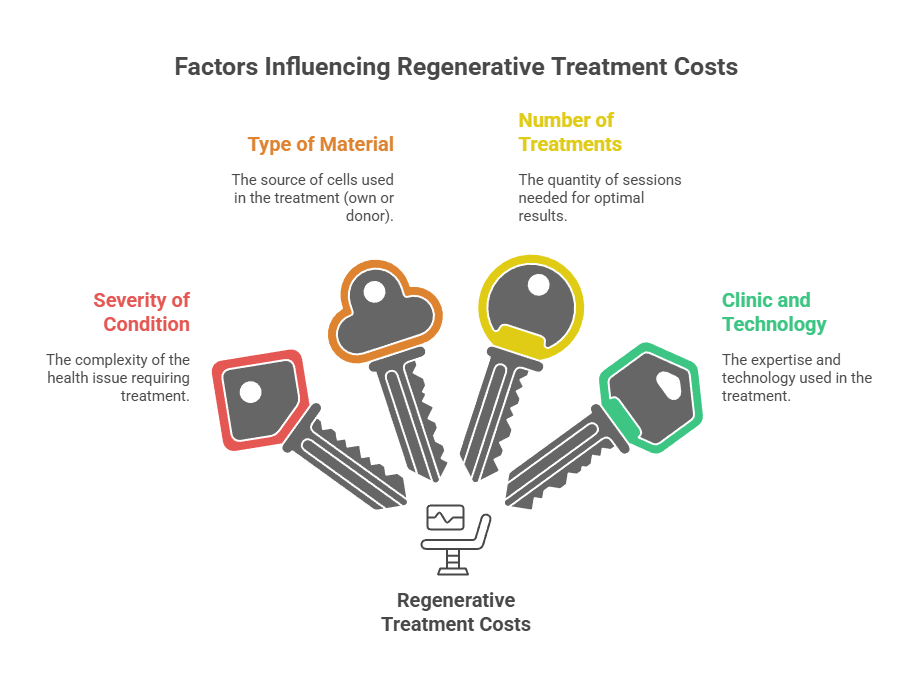
Here’s a look at what influences the perceived value:
- Severity of Condition: More complex or advanced issues might require more intensive treatment, potentially increasing the overall cost but also the potential for significant improvement.
- Type of Regenerative Material: Treatments using your own cells (autologous) can be more expensive than those using donor cells (allogeneic) due to the extraction and processing involved. However, some patients prefer using their own cells. For example, autologous treatments can range from $8,000 to $15,000 per session, while allogeneic might be $5,000 to $10,000.
- Number of Treatments: Some conditions may require multiple sessions to achieve optimal results. A single injection might cost between $5,000 and $15,000, so multiple sessions can add up.
- Clinic and Technology: The expertise of the medical team and the technology used can also play a role in pricing and, importantly, in the effectiveness of the treatment.
While insurance coverage for regenerative injection therapies is still limited, as many are considered experimental, exploring financing options or payment plans can make these treatments more accessible.
Some clinics partner with financing providers to help spread the cost over time.
When comparing prices, it’s also helpful to look at what’s included. Some clinics might bundle services like physical therapy or follow-up appointments, which can offer better overall value. For example, Platelet-Rich Plasma (PRP) therapy, often used alongside stem cell treatments, can range from $500-$2,000 per session. Understanding the full scope of what you’re paying for is key to evaluating the true cost and potential return on investment for your health. If you’re considering treatments like Morpheus8 for skin rejuvenation, costs can vary, with sessions typically falling between $800 and $1,200.
Thinking about regenerative injection therapy? It’s smart to look at the costs involved and what you get for your money. We break down the pricing of these treatments to help you see the real value. Interested in discovering how these therapies could benefit you? Explore our website now to review your choices and find out if regenerative therapy could be right for your situation!
Wrapping Up Your Regenerative Injection Therapy Journey
So, we’ve looked at a lot of numbers and factors when it comes to the cost of regenerative injection therapy in 2026. It’s clear that this kind of treatment isn’t a one-size-fits-all price tag. Things like where you go, what kind of cells they use, and how many treatments you need all add up. While it can seem like a big investment upfront, especially since insurance often doesn’t cover it, remember what we talked about – these therapies aim for long-term relief.
Many clinics do offer payment plans, which can make it more manageable. It’s really about weighing the costs against the potential for getting back to your active life without surgery. Doing your homework and talking to clinics directly is the best way to get a clear picture for your specific situation.
Frequently Asked Questions

What makes the cost of regenerative injection therapy change?
The price of regenerative injection therapy can vary quite a bit. Factors like the type of stem cells used (whether they come from your own body or a donor), how many treatments you need, the clinic’s technology, and the doctor’s experience all play a role. Sometimes, extra steps like special lab work or combining treatments can also increase the cost.
How much does regenerative injection therapy typically cost?
The cost for regenerative injection therapy can range widely. Simple treatments might start around $1,500, while more complex procedures, especially those involving stem cells, can go from $5,000 up to $30,000 or even more. It really depends on what’s being done and where.
Is regenerative injection therapy covered by insurance?
Generally, most regenerative injection therapies are not covered by health insurance. They are often seen as experimental treatments. However, this trend is beginning to evolve, with more clinics offering flexible payment arrangements or financing solutions to make treatments more accessible.
What is the difference in cost between using your own stem cells versus donor stem cells?
Using stem cells from your own body (called autologous) usually costs more. This is because it requires an extra step to collect them from you, like from bone marrow or fat. Stem cells from a donor (allogeneic) are often less expensive because they don’t need that initial collection process from the patient.
Can combining regenerative treatments affect the total cost?
Yes, combining different regenerative treatments, like stem cells with platelet-rich plasma (PRP) or other therapies, can help boost healing. However, adding more treatments will likely increase the overall price you pay for the therapy.
How many regenerative injections do I usually need?
The number of injections needed depends on your specific condition and how severe it is. For less severe issues, one treatment might be enough. However, for more serious problems or if multiple areas need treatment, you might require two or more sessions to get the best results.
If you’d like to learn more or explore if regenerative therapy is a good fit for you, call Waters Edge Medical Clinic at 727-550-0855 to schedule your free consultation and evaluation.