
SoftWave TherapySide Effects and Risks, Explained
SoftWave therapy is a common choice for pain relief and tissue healing, and one of the first things patients ask is how they will feel afterward. Here is what SoftWave is, the side effects people sometimes notice, who should not have it, and a few simple ways to get the most from your sessions.
5 min read
On this page
What Is SoftWave Therapy?
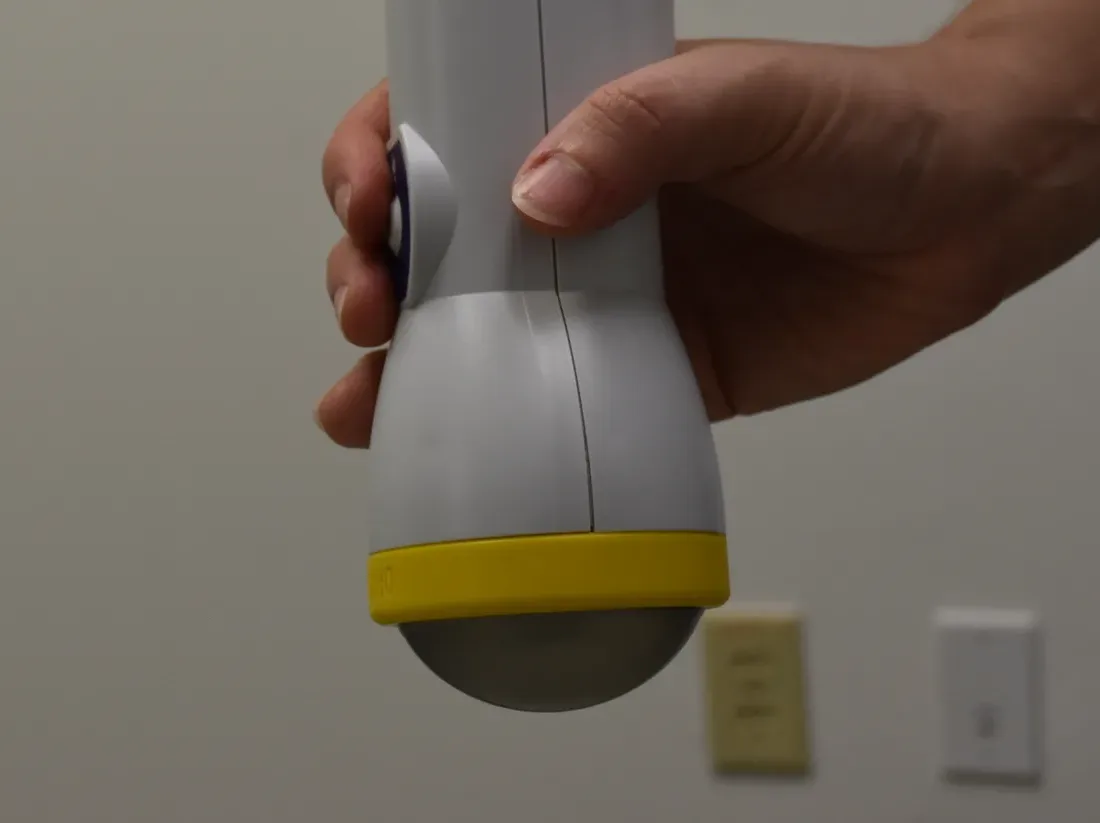
SoftWave Therapy, also called Extracorporeal Shock Wave Therapy (ESWT), is a non-invasive treatment that uses sound waves to prompt the body's own repair processes. There are no needles, no incisions and no anesthesia.
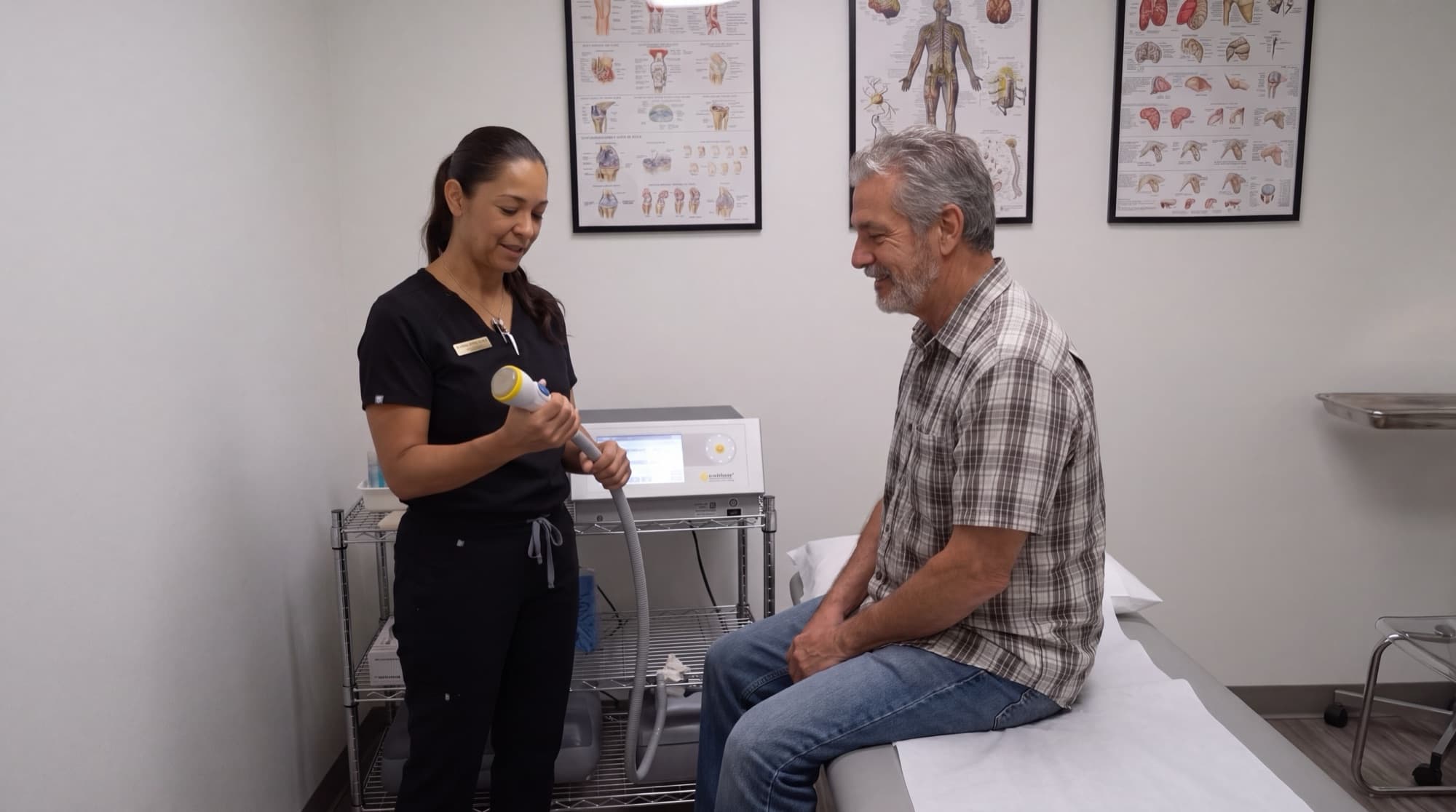
During a session, a trained professional holds the hand-held applicator near the tissue being treated. The device sends sound waves into the deeper layers of tissue, and the body responds with more circulation and cell activity in that area. The unfocused shock wave device we use is made by SoftWave Tissue Regeneration Technologies (SWTRT).
What a course of treatment looks like
- A consultation, where a licensed professional checks whether SoftWave fits your condition and reviews your health history.
- The treatment itself: short, frequent bursts of energy delivered into the injured, scarred or inflamed soft tissue.
- A short series of sessions over several weeks. More and more insurances cover SoftWave, and we verify each patient's insurance before treatment to go over all the options.
- Session length
- Typically 5 to 15 minutes.
- Downtime
- None. It is non-invasive, with no recovery time.
- Series
- Most patients are recommended 8 to 12 treatments spread over several weeks.
Common Side Effects
Side effects of SoftWave are usually mild and short-lived. They are part of the body's normal response to the treatment and typically fade on their own. The ones patients mention most:
| Side effect | How long it lasts | What to know |
|---|---|---|
| Skin redness | A few hours to a few days | Generally fades without treatment. |
| Minor swelling | A few hours to a few days | Mild and goes away on its own. |
| Bruising or tenderness | A few days | Sometimes comes with minor discomfort in the area. |
- Skin redness
- How long it lastsA few hours to a few days
- What to knowGenerally fades without treatment.
- Minor swelling
- How long it lastsA few hours to a few days
- What to knowMild and goes away on its own.
- Bruising or tenderness
- How long it lastsA few days
- What to knowSometimes comes with minor discomfort in the area.
During the session itself there may be mild discomfort, but patients typically don't complain of treatment pain. If anything you feel afterward seems stronger than this, or doesn't settle within a few days, call us and a provider will take a look.
Who Should Not Have SoftWave?
SoftWave is not right for everyone, which is why every patient starts with a consultation and a look at their health history. These are the situations where it is avoided, or where a provider needs to look more closely first:
- Pregnancy. The effects have not been fully tested, so caution is advised and treatment is avoided.
- A pacemaker or other implanted electronic device. SoftWave cannot be performed on someone with a pacemaker, and other implants may also be affected.
- Active cancer, or undergoing certain cancer treatments. You may not be an ideal candidate.
How to Support Your Body After a Session
A few simple habits can keep side effects to a minimum and help you get more out of each visit:
- Follow your provider's after-care instructions, such as resting the treated area or using an ice pack when needed.
- Drink plenty of water and eat well to support your body's healing.
- Tell your care team about any change or discomfort as soon as you notice it.
Keep in mind that healing doesn't happen right away. Water's Edge describes the recovery as a 12-Week Regenerative Journey: improvement builds gradually as the body responds to treatment.
Is SoftWave Right for You?
For most people the side effects are minor, and the more useful question is whether SoftWave suits the pain you have. At Water's Edge Medical Clinic it is part of how we treat knee pain, joint pain and neuropathy in the hands, wrists and feet, among other conditions. A provider reviews your history before your first session and tells you plainly whether it makes sense for you.
If SoftWave isn't a good fit, there are other options for pain relief. Regenerative Medicine may suit some conditions better, and SoftWave is often paired with it for knee and joint pain.
Frequently Asked Questions
They are generally mild. Most people feel slight discomfort or notice some redness in the treated area, and it usually goes away within a few days.
Wondering if SoftWave Is Right for You?
Your consultation is the place to ask about side effects, your health history and what a series would look like. At Water's Edge Medical Clinic in St. Petersburg, a provider will go over your history and tell you whether SoftWave makes sense for you.